Different Is Not Defective: A Shining Light on Poker’s Most Misunderstood Players
Martin Kabrhel and Allen “Chainsaw” Kessler are two of poker’s most debated figures. What if the traits we mock are the same traits that made them great?
Poker loves characters.
Until the character makes people uncomfortable.
Then suddenly the same game that celebrates sunglasses, hoodies, staredowns, table talk, silence, rituals, routines, tanking, theatrics, and psychological warfare starts demanding that everyone behave the same way.
But here is the truth:
Different is not defective.
Unusual is not unworthy.
And just because someone processes the poker table differently does not mean they are bad for poker.
This is especially important when we talk about players like Martin Kabrhel and Allen "Chainsaw" Kessler.
Let me be very clear from the beginning: this is not a diagnosis of either man. It is not my place, your place, or the poker world's place to publicly label someone's brain, medical history, emotional wiring, or private reality.
But it is absolutely fair to ask a better question:
What if some of the people we mock are not villains?
What if some of them are simply wired differently?
What if the behavior that irritates us is not proof of bad character, but evidence that the poker table contains more human diversity than we are willing to understand?
Poker is supposed to be a game of observation.
Yet sometimes the poker community observes everything except the soul.
We study bet sizing. We study timing. We study live tells. We study hand histories. We study blockers, ranges, frequencies, and game theory.
But when a player behaves differently, we too often stop studying and start judging.
That is not wisdom. That is laziness wearing sunglasses.
The Poker Table Is a Mirror
The poker table is not just a battleground. It is a mirror.
It shows us our patience. It shows us our ego. It shows us our insecurities. It shows us how quickly we turn irritation into moral superiority.
When someone talks too much, tanks too long, complains too often, asks too many questions, repeats themselves, challenges the structure, obsesses over details, or refuses to behave the way the room wants them to behave, the easy response is ridicule.
The harder response is compassion.
And poker, at its highest level, is supposed to reward hard things.
Neurodivergence, broadly speaking, means that a person may think, process, communicate, focus, react, or experience the world differently from what society calls "typical." It can include autism, ADHD, dyslexia, Tourette's, sensory differences, and other variations in brain wiring.
But the key word is not weakness. The key word is difference.
Different wiring can come with challenges. It can also come with gifts:
- Pattern recognition
- Extreme focus
- Mathematical obsession
- Memory
- Consistency
- Fearlessness
- Unusual creativity
- Comfort with repetition
- The ability to see what others miss
Sound familiar?
Those are poker superpowers.
Martin Kabrhel: The Man Poker Loves to Debate
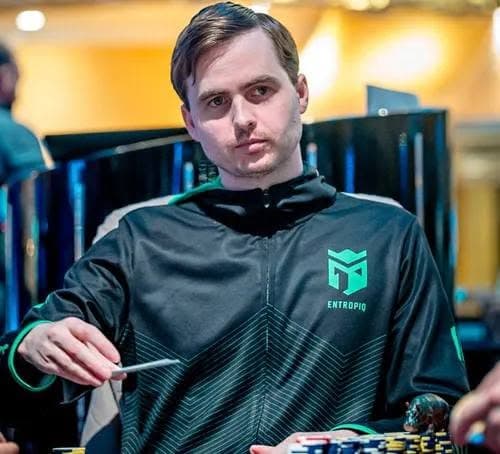
Martin Kabrhel is one of the most polarizing players in modern poker.
Some people love watching him. Some people cannot stand him. Some players get tilted by his table talk, his tanking, his energy, his presence, his constant verbal pressure, and his refusal to disappear quietly into the background.
But here is what cannot be argued: the man is incredibly successful.
- Five WSOP bracelets
- Multiple WSOP Circuit rings
- Millions and millions in live tournament earnings
- A long record of winning in high-pressure environments
- A resume almost every poker player on earth would trade for
So at some point, the conversation has to evolve.
Maybe Martin Kabrhel is not simply "annoying."
Maybe he is a case study in how uncomfortable people become when someone refuses to regulate himself for their convenience.
Maybe he is a reminder that poker is not always clean, pretty, quiet, or polite.
Maybe he is proof that genius does not always arrive in a package that makes the room comfortable.
Poker players love to say they want authenticity. Then someone shows up fully, loudly, strangely, unapologetically themselves — and the room panics.
That says as much about the room as it says about the player.
Allen "Chainsaw" Kessler: The Grinder's Grinder
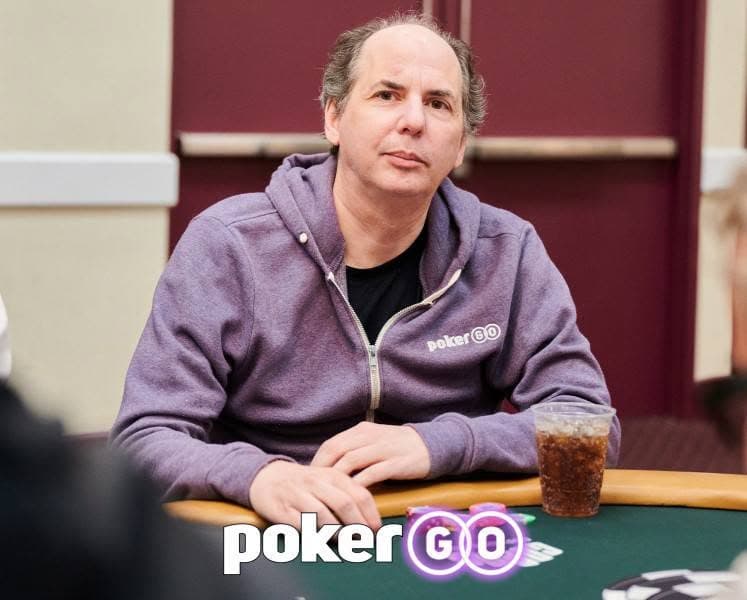
Then there is Allen Kessler. The Chainsaw.
A man who has been turned into a meme so many times that people sometimes forget the resume behind the nickname.
Allen Kessler has spent decades proving that survival is a skill.
- Multiple WSOP Circuit rings
- Hundreds of WSOP-related cashes
- Millions in earnings
- Final tables
- Mixed-game excellence
- Longevity most players will never touch
Kessler is famous for being frugal. Famous for structure complaints. Famous for speaking his mind. Famous for finding value in places other people overlook.
People laugh.
But maybe they should study.
Because the same traits people mock may be the same traits that helped him survive in one of the most brutal professions on earth.
Attention to detail. Financial discipline. Sensitivity to structure. Awareness of value. A refusal to be careless. A willingness to say what others only whisper.
In life, that can make a person "difficult."
In poker, that can make a person dangerous.
The Chainsaw did not last this long by accident. He lasted because there is wisdom in his wiring.
We Can Protect the Game Without Destroying the Human
Now let's be honest. Compassion does not mean there are no rules.
Poker rooms need structure. Players deserve a fair pace of play. Dealers deserve respect. Floor staff deserve support. Opponents should not be abused, harassed, or intentionally manipulated outside the rules.
But enforcing boundaries and dehumanizing people are not the same thing.
You can call the clock without calling someone worthless.
You can dislike a behavior without attacking a soul.
You can say, "This needs to be managed," without saying, "This person is bad for poker."
That distinction matters.
Because once we decide that someone's difference makes them disposable, we stop being a community and start becoming a mob.
Poker already has enough ego. It could use more grace.
The Outliers Often Move the Game Forward
Every ecosystem needs outliers.
The quiet solver kid. The loud table captain. The old-school grinder. The emotional artist. The mathematical monk. The spiritual intuitive. The nit. The maniac. The professor. The performer. The so-called weirdo.
Poker is not beautiful because everyone is the same.
Poker is beautiful because everyone brings a different nervous system to the same felt.
A table full of identical personalities would be boring. A poker world without characters would be dead.
The very people we complain about often become the people we remember.
They create conversation. They create tension. They create entertainment. They challenge norms. They expose our impatience. They force the game to ask what it really values.
Do we only celebrate winners when they are convenient?
Or can we honor excellence even when it comes wrapped in discomfort?
Before You Mock, Pause
The next time you see a player who seems strange, intense, obsessive, awkward, repetitive, overly verbal, overly quiet, too emotional, too rigid, too blunt, or too different, pause.
Ask yourself: Is this person harming the game? Or are they simply making me uncomfortable?
Would I say these same things if I knew more about their brain, their life, their struggles, their anxiety, their sensory experience, their history, or their private battles?
Would I want someone judging my soul based only on my most annoying behavior under pressure?
Poker is pressure. Pressure reveals people. But pressure also distorts them.
A person at the table may not be showing you who they are at their worst. They may be showing you how hard it is for them to exist in an environment that overwhelms them.
Lights. Noise. Money. Ego. Cameras. Crowds. Criticism. Decision after decision after decision.
Not everyone's nervous system handles that the same way.
That does not make them weak. It makes them human.
Poker Needs More Compassionate Intelligence
We talk a lot about poker intelligence.
But maybe the next evolution is compassionate intelligence.
The ability to compete fiercely without becoming cruel. The ability to read people without reducing them. The ability to enforce standards without mocking difference. The ability to understand that the person across from us may be fighting battles we cannot see.
Martin Kabrhel has earned his place in poker history. Allen Kessler has earned his place in poker history.
You do not have to love their style. You do not have to want them at your table. You do not have to pretend every behavior is perfect.
But you should respect the resume. You should respect the humanity.
And maybe, before throwing another cheap shot into the universe, you should ask whether the thing you are mocking might be connected to the very thing that made them great.
Because sometimes the gift and the challenge come from the same wiring.
Sometimes the same mind that irritates the room is the same mind that sees the game differently.
And sometimes the people we call "too much" are simply showing us how little space we have made for anyone who is not exactly like us.
Poker is life.
And life keeps teaching the same lesson:
Different is not defective. Different is divine data. Different is part of the game.
And if poker truly wants to be a game of people, then it must make room for all kinds of people — not just the ones who make the table comfortable.
Topics
- #poker
- #MartinKabrhel
- #AllenKessler
- #Chainsaw
- #WSOP
- #neurodiversity
- #pokercommunity
- #pokermindset
- #pokerculture
- #compassion